
Virtual reality.
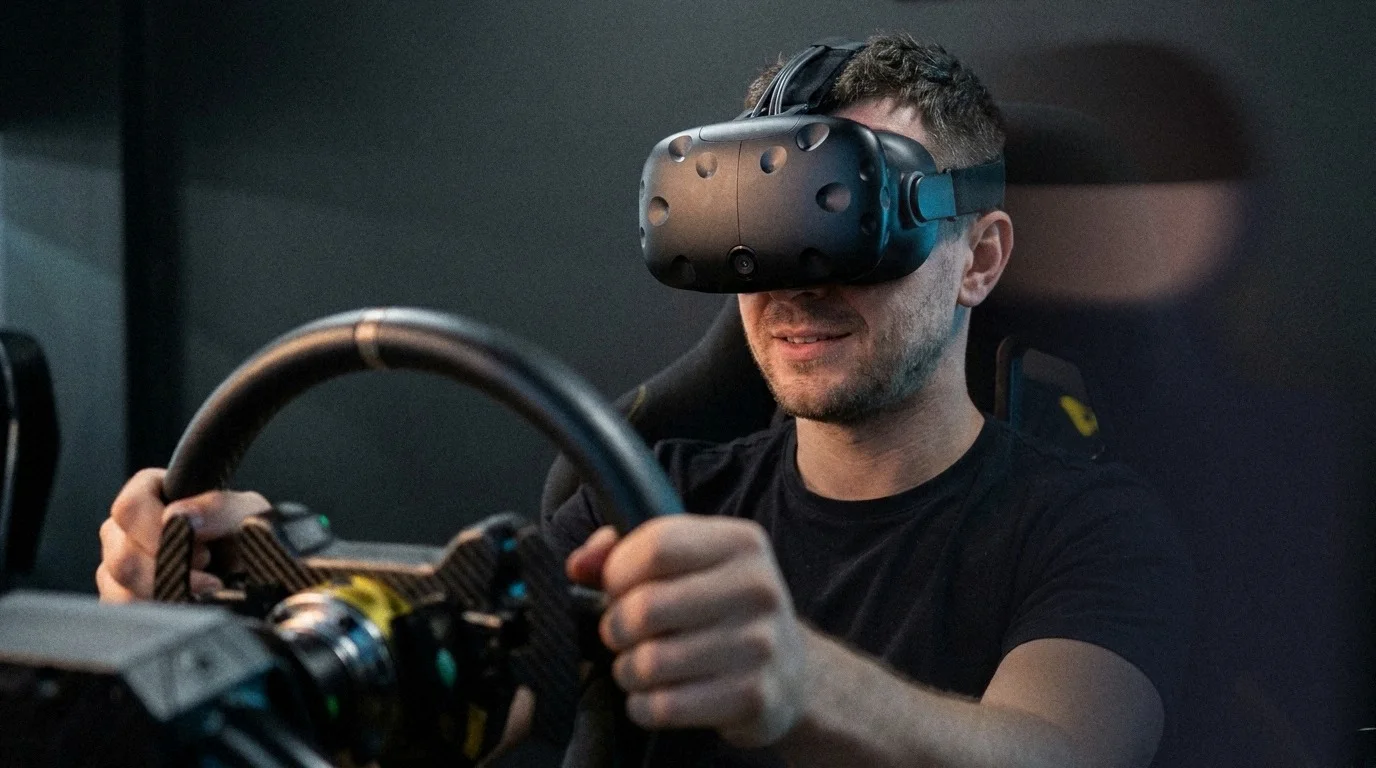
Development of anything in virtual reality. Planning and design. 3D modeling, rigging and animation. Programming, testing, implementation. Integration with third-party services or hardware.
Software and hardware solutions for business and entertainment using cutting-edge technologies.
Development of anything in virtual reality. Planning and design. 3D modeling, rigging and animation. Programming, testing, implementation. Integration with third-party services or hardware.
AR and MR for guided work, data visualization, and the gamification of any scenarios and ideas.
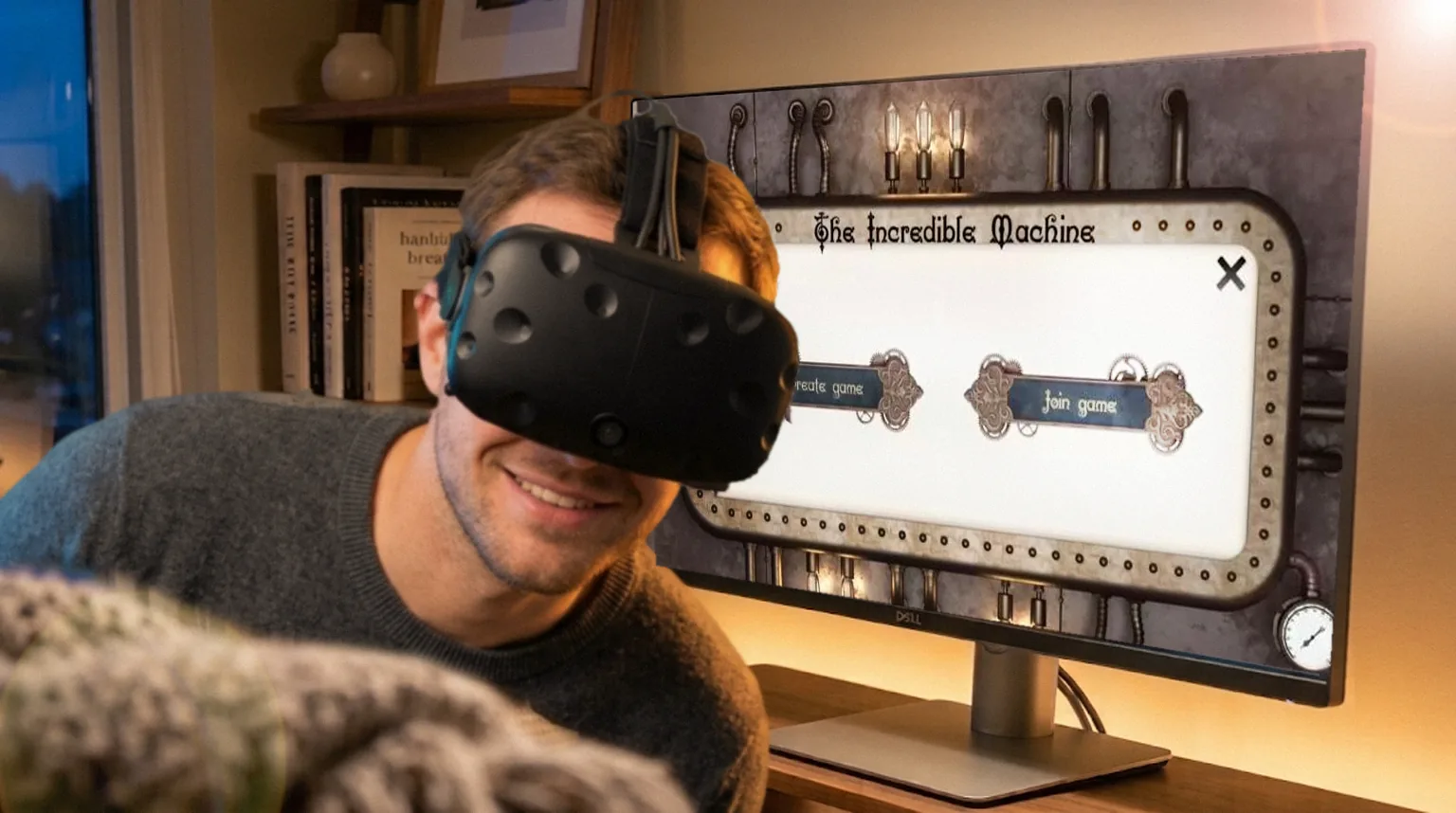
Mobile, PC and VR games of different genres. Action. Shooters. RPG. Strategy. Simulators. MOBA. Hyper‑Casual. Match‑3.
Applications, simulators and control systems written to your requirements. We use artificial intelligence to automate and speed up processes.
Controllers, sensors and mechanics that work together with the software in one system. Embedded systems, electronics, printed circuit boards and firmware.
Describe the task in your own words. We will propose the format.
Tell us the taskThe studio owner is deeply involved in the project work, so quality and deadlines are met.
Solutions for training, business and entertainment. Hardware and software systems. Simulators. Games.
Describe the task in your own words.We will propose the format.
Train staff and rehearse complex operations before touching real equipment.
In VR, operators practice assembly, maintenance and emergency procedures on virtual machines. That means less downtime, no risk to expensive equipment and lower training costs on the production line.
Walk through a project before the first brick is laid.
Clients, architects and engineers can step inside a building or a whole district, check proportions and routes, and spot design errors while changes are still cheap to make.
Safe practice for work at hazardous and hard-to-reach sites.
Crews can rehearse work at substations, turbines or pipelines in VR, and planners can review layouts and emergency scenarios without switching anything off in real life.
Precise visualization and practice where a mistake is costly.
VR supports training for medical staff, patient education and presentations of equipment or products, and any scenario can be repeated as many times as needed.
Plan warehouses and routes, train drivers and operators.
A virtual warehouse or vehicle lets you test layouts, loading procedures and driver training before you invest in real changes.
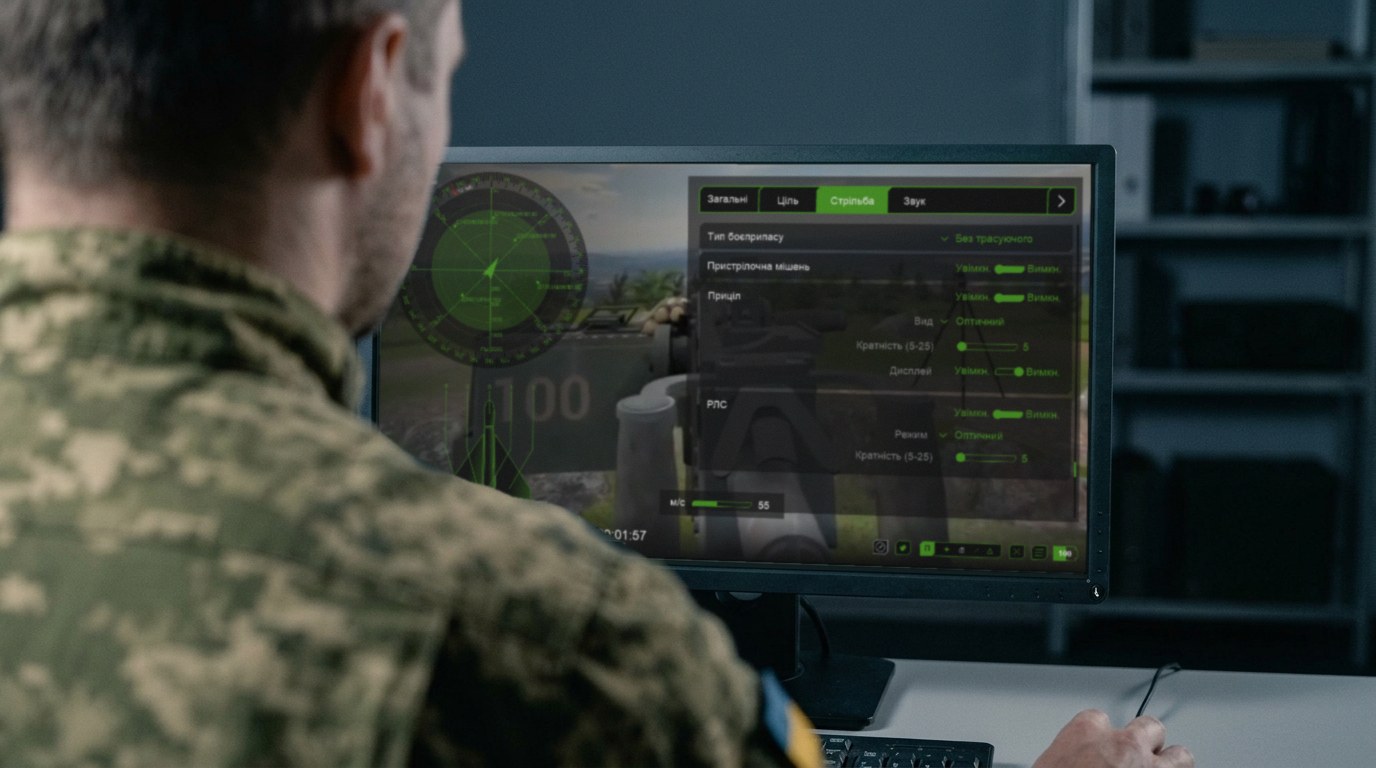
Realistic training and scenario rehearsal without live ammunition.
Simulators let personnel practise aimed fire, equipment handling and tactical situations, record every result and repeat exercises at a fraction of the cost of field training.
Show products and spaces to customers before they exist.
Virtual showrooms, store layouts and product demos help customers decide faster and let a brand test an idea without building a physical prototype or stand.
Learning by experience instead of by description.
Students and visitors can explore historic sites, laboratories or distant places in VR. Material sticks better, and people who cannot travel there still get to see it.
New formats for content, games and live events.
VR adds interactive stories, game attractions, virtual quest rooms and fan experiences to what a brand or a venue can offer its audience.
Practice dangerous or expensive tasks as many times as needed.
Show a product, a building or a plant before it exists.
Exhibitions, events and showrooms that people remember.
Meta Quest, PICO, SteamVR and other platforms.
Describe the task in your own words. We will propose the format.
Tell us the taskDefining goals, possible constraints and success criteria, timeline and cost estimate.
Architecture, UX/UI, 3D modeling, concept.
A quick working sample to test the idea in real life and avoid unnecessary costs.
Short iterations (sprints) with regular demos and feedback.
Functional, load and real-device testing. Further refinement.
Project deployment, optimization, integration with third-party services and devices.
Bug fixing, updates, scaling and development.
Virtual reality lets armed forces train soldiers and crews in realistic scenarios without ammunition, fuel or risk. We look at where VR already pays off in military training and what to consider before the first project.
Read more →AI assistants take over routine code, concept art, placeholder assets and testing, so a first playable version appears sooner and the team spends its time on what makes the product unique. Here is where AI really speeds up Unity development and where an engineer still has to make the call.
Read more →One codebase for VR headsets, mobile devices and desktop, a huge asset ecosystem and fast iteration. We explain when Unity is the right engine for a simulator and when it is not.
Read more →Feel free to read along or jump to the section that interests you:
Let’s get started.
Immersive technology gives a business a new way to train people, show products and test ideas before spending real money. A good project starts with the task and the result you need, not with the technology.
A simulator recreates a real situation inside a computer, so people can practice it as many times as needed without risk. The same approach works for equipment, vehicles, safety procedures and sales demonstrations.
Before development starts, we agree on the goal, the audience, the platform and the budget range. Then the team builds a first working version quickly, so you can see the result and adjust it early.
We have received your request and will contact you shortly.