
Virtual reality.
Development of anything in virtual reality. Planning and design. 3D modeling, rigging and animation. Programming, testing, implementation. Integration with third-party services or hardware.
Software and hardware solutions for business and entertainment using cutting-edge technologies.
Development of anything in virtual reality. Planning and design. 3D modeling, rigging and animation. Programming, testing, implementation. Integration with third-party services or hardware.
AR and MR for guided work, data visualization, and the gamification of any scenarios and ideas.
Mobile, PC and VR games of different genres. Action. Shooters. RPG. Strategy. Simulators. MOBA. Hyper‑Casual. Match‑3.
Applications, simulators and control systems written to your requirements. We use artificial intelligence to automate and speed up processes.
Controllers, sensors and mechanics that work together with the software in one system. Embedded systems, electronics, printed circuit boards and firmware.
Describe the task in your own words. We will propose the format.
Tell us the taskThe studio owner is deeply involved in the project work, so quality and deadlines are met.
Applications and control systems
built for your requirements.
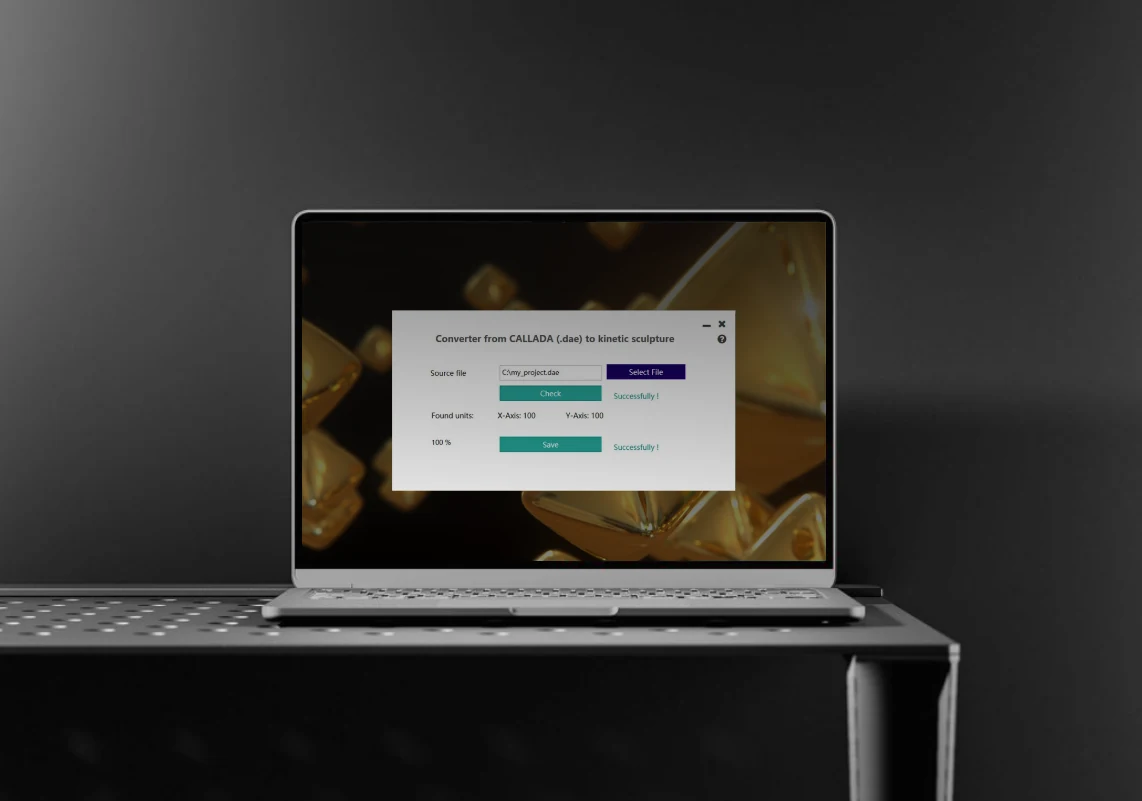
We create software for Windows, macOS and Linux systems.
We develop custom web applications: client portals, CRMs and platforms on React, Node.js and .NET with flexible roles, APIs and 3D in the browser.
iOS and Android apps on Swift, Kotlin and Flutter: camera, GPS, Bluetooth devices, push notifications, AR.
Interfaces for equipment, sensors and data: dispatcher panels, links to controllers (Modbus, MQTT), real-time data collection, charts and alerts on deviations.
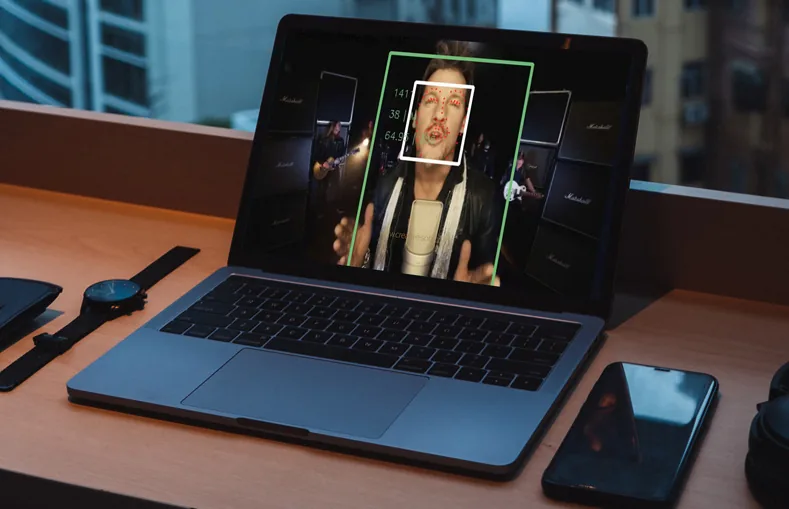
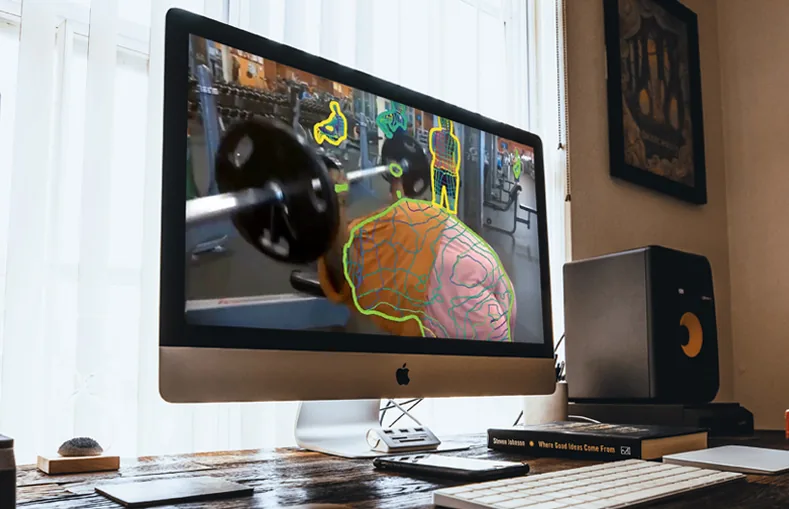
Systems that recognize images and learn from data — routine analysis runs automatically.
Comprehensive software development with subsequent integration into hardware.
We connect corporate IT systems with the enterprise’s other software and hardware.
We extend your team with experienced specialists and, after launch, provide technical support and updates.
Describe the task in your own words.We will propose the format.
Software for control, monitoring and training on the production floor.
Apps for equipment control and monitoring, operator training simulators and integration with plant systems. The result: fewer stoppages and less manual work.
Tools to agree on projects and coordinate sites.
3D visualization of projects in the browser and on mobile, apps for site inspections and progress tracking, and integration with design and estimating systems.
Reliable monitoring of distributed infrastructure.
Control panels, data collection from sensors and alerts for substations, networks and metering. Operators see the state of the whole system in one place and react faster.
Secure systems for staff and patients.
Training simulators, patient apps, medical device interfaces and AI image analysis. We build with data protection and integration with existing hospital systems in mind.
Full visibility of fleets, warehouses and orders.
Apps for drivers and warehouse staff, tracking, route planning and integration with ERP and accounting systems, so goods and data move without manual re-entry.
Software for training and equipment control.
Simulators, control interfaces for hardware and systems for video and data analysis. We work under NDA and do not disclose project details.
Apps that help sell and simplify service.
Customer apps and loyalty programs, web catalogs and configurators, in-store kiosks and 3D product viewers right in the browser.
Interactive learning platforms and guides.
Learning apps, testing systems, interactive exhibits and museum guides, including AR and 3D, on phones, kiosks and the web.
Interactive products for audiences and fans.
Games and mini-games, interactive installations, fan apps, real-time statistics and event visualizations.
Defining goals, possible constraints and success criteria, timeline and cost estimate.
Architecture, UX/UI, concept.
A quick working sample to test the idea in real life and avoid unnecessary costs.
Short iterations (sprints) with regular demos and feedback.
Functional, load and real-device testing. Further refinement.
Project deployment, optimization, integration with third-party services and devices.
Bug fixing, updates, scaling and development.
Virtual reality lets armed forces train soldiers and crews in realistic scenarios without ammunition, fuel or risk. We look at where VR already pays off in military training and what to consider before the first project.
Read more →AI assistants take over routine code, concept art, placeholder assets and testing, so a first playable version appears sooner and the team spends its time on what makes the product unique. Here is where AI really speeds up Unity development and where an engineer still has to make the call.
Read more →One codebase for VR headsets, mobile devices and desktop, a huge asset ecosystem and fast iteration. We explain when Unity is the right engine for a simulator and when it is not.
Read more →Feel free to read along or jump to the section that interests you:
Let’s get started.
Immersive technology gives a business a new way to train people, show products and test ideas before spending real money. A good project starts with the task and the result you need, not with the technology.
A simulator recreates a real situation inside a computer, so people can practice it as many times as needed without risk. The same approach works for equipment, vehicles, safety procedures and sales demonstrations.
Before development starts, we agree on the goal, the audience, the platform and the budget range. Then the team builds a first working version quickly, so you can see the result and adjust it early.
We have received your request and will contact you shortly.