
Virtual reality.
Development of anything in virtual reality. Planning and design. 3D modeling, rigging and animation. Programming, testing, implementation. Integration with third-party services or hardware.
Software and hardware solutions for business and entertainment using cutting-edge technologies.
Development of anything in virtual reality. Planning and design. 3D modeling, rigging and animation. Programming, testing, implementation. Integration with third-party services or hardware.
AR and MR for guided work, data visualization, and the gamification of any scenarios and ideas.
Mobile, PC and VR games of different genres. Action. Shooters. RPG. Strategy. Simulators. MOBA. Hyper‑Casual. Match‑3.
Applications, simulators and control systems written to your requirements. We use artificial intelligence to automate and speed up processes.
Controllers, sensors and mechanics that work together with the software in one system. Embedded systems, electronics, printed circuit boards and firmware.
Describe the task in your own words. We will propose the format.
Tell us the taskThe studio owner is deeply involved in the project work, so quality and deadlines are met.
Mechanics, electronics and software
working together in one system.
We develop mechanical moving parts. Design. Turning, milling and fitting work.
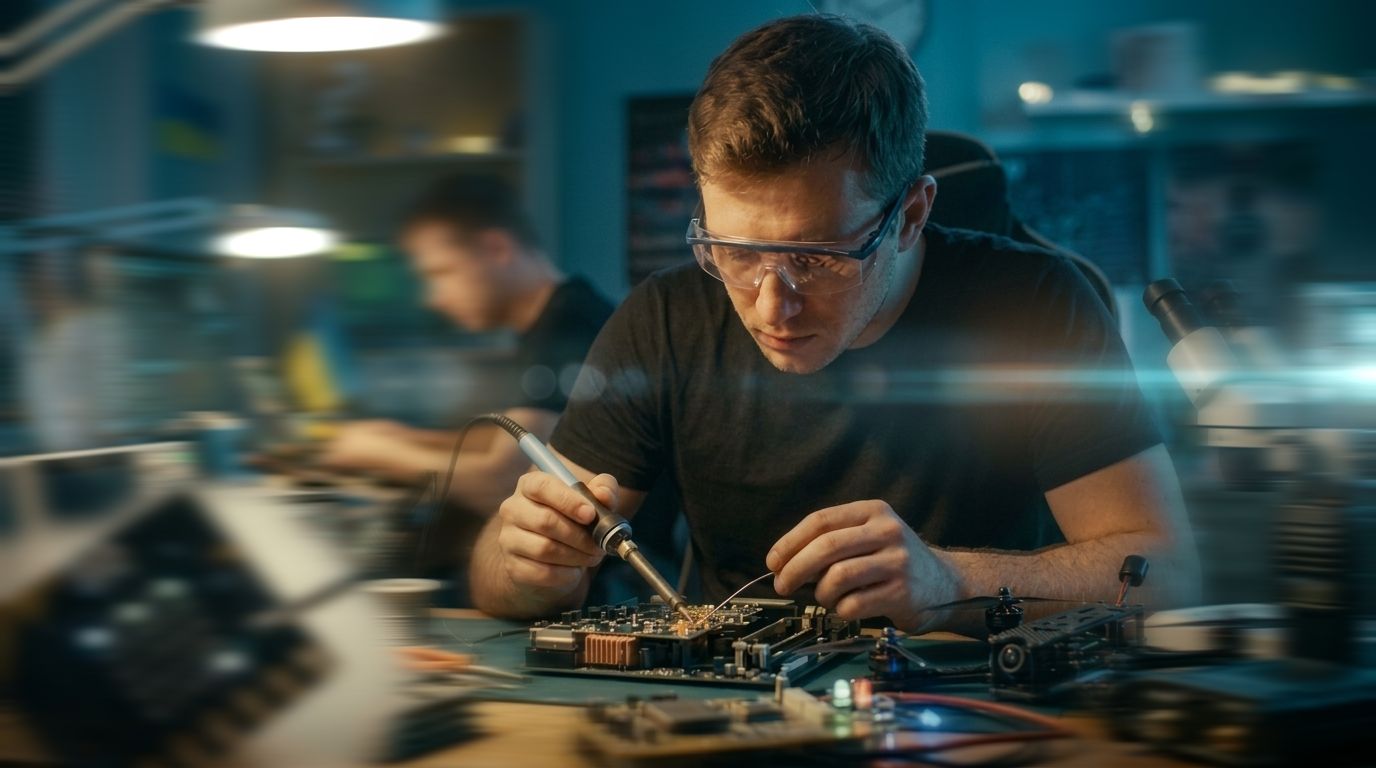
We create tailored solutions based on existing microcontrollers and single-board computers. We design custom printed circuit boards.
Design and development of embedded software: interfaces and algorithms for device control, management and monitoring systems.
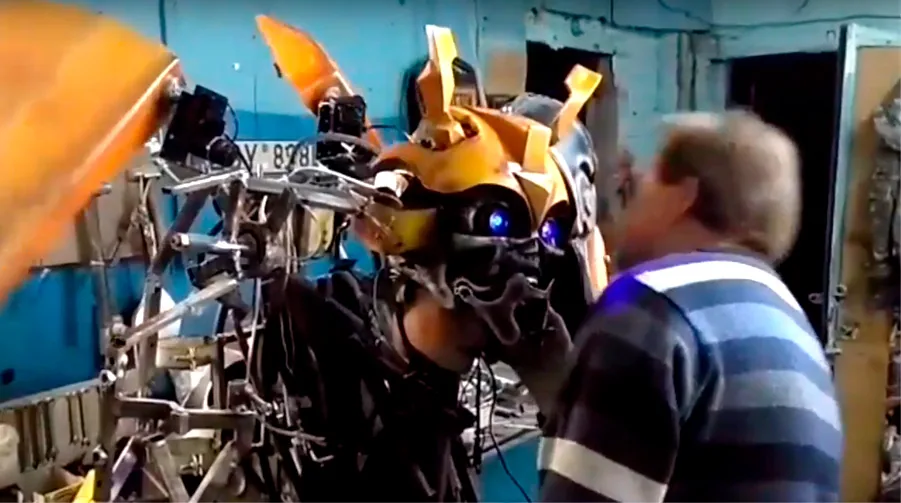
We develop interactive engineering solutions for business and entertainment: robotic mechanisms, controlled systems and interactive installations.
Describe the task in your own words.We will propose the format.
Reliable devices for the production floor.
Controllers, sensors, test stands and mechanical units for equipment and production lines, built to run in real shop conditions.
Monitoring and automation hardware for sites.
Sensors, controllers and monitoring units for construction sites and urban infrastructure: data collection and control of mechanisms.
Hardware for harsh and remote sites.
Measuring and control electronics, sensor units and enclosures for substations, networks and metering that work around the clock.
Precise devices for training and diagnostics.
Simulator mechanics, controllers and sensors for medical trainers and prototypes of equipment, with repeatable and measurable results.
Devices that track and automate.
Trackers, scanners, controllers and mechanical units for warehouses and vehicles, from prototype to small series.
Training and control hardware for defense customers.
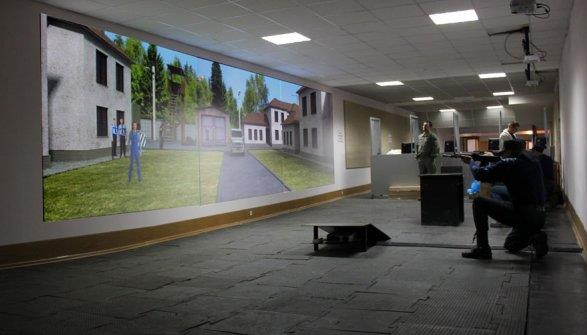
Simulators with replica controllers, motion platforms, firmware and radio-electronic devices.
Interactive devices for stores and stands.
Kiosks, interactive stands, sensors and controllers for exhibitions and retail spaces, from prototype to small series.
Interactive exhibits people can touch.
Exhibit mechanics, controllers and sensors for museums, science centers and attractions, robust enough for daily visitors.
Controllers and rigs for immersive experiences.
Motion platforms, replica controllers and trackers for VR attractions, simulators and gaming zones.
Defining goals, possible constraints and success criteria, timeline and cost estimate.
Architecture, drawings, 3D modeling, concept.
A quick working sample to test the idea in real life and avoid unnecessary costs.
Short iterations (sprints) with regular demos and feedback.
Functional, load and real-device testing. Further refinement.
Project deployment, optimization, integration with third-party services and devices.
Bug fixing, updates, scaling and development.
Virtual reality lets armed forces train soldiers and crews in realistic scenarios without ammunition, fuel or risk. We look at where VR already pays off in military training and what to consider before the first project.
Read more →AI assistants take over routine code, concept art, placeholder assets and testing, so a first playable version appears sooner and the team spends its time on what makes the product unique. Here is where AI really speeds up Unity development and where an engineer still has to make the call.
Read more →One codebase for VR headsets, mobile devices and desktop, a huge asset ecosystem and fast iteration. We explain when Unity is the right engine for a simulator and when it is not.
Read more →Feel free to read along or jump to the section that interests you:
Let’s get started.
Immersive technology gives a business a new way to train people, show products and test ideas before spending real money. A good project starts with the task and the result you need, not with the technology.
A simulator recreates a real situation inside a computer, so people can practice it as many times as needed without risk. The same approach works for equipment, vehicles, safety procedures and sales demonstrations.
Before development starts, we agree on the goal, the audience, the platform and the budget range. Then the team builds a first working version quickly, so you can see the result and adjust it early.
We have received your request and will contact you shortly.