
Virtual reality.
Development of anything in virtual reality. Planning and design. 3D modeling, rigging and animation. Programming, testing, implementation. Integration with third-party services or hardware.
Software and hardware solutions for business and entertainment using cutting-edge technologies.
Development of anything in virtual reality. Planning and design. 3D modeling, rigging and animation. Programming, testing, implementation. Integration with third-party services or hardware.
AR and MR for guided work, data visualization, and the gamification of any scenarios and ideas.
Mobile, PC and VR games of different genres. Action. Shooters. RPG. Strategy. Simulators. MOBA. Hyper‑Casual. Match‑3.
Applications, simulators and control systems written to your requirements. We use artificial intelligence to automate and speed up processes.
Controllers, sensors and mechanics that work together with the software in one system. Embedded systems, electronics, printed circuit boards and firmware.
Describe the task in your own words. We will propose the format.
Tell us the taskThe studio owner is deeply involved in the project work, so quality and deadlines are met.
Describe the task in your own words. We will propose the format.
Virtual reality lets armed forces train soldiers and crews in realistic scenarios without ammunition, fuel or risk. We look at where VR already pays off in military training and what to consider before the first project.
Read more →AI assistants take over routine code, concept art, placeholder assets and testing, so a first playable version appears sooner and the team spends its time on what makes the product unique. Here is where AI really speeds up Unity development and where an engineer still has to make the call.
Read more →One codebase for VR headsets, mobile devices and desktop, a huge asset ecosystem and fast iteration. We explain when Unity is the right engine for a simulator and when it is not.
Read more →Feel free to read along or jump to the section that interests you:
Let’s get started.
Immersive technology gives a business a new way to train people, show products and test ideas before spending real money. A good project starts with the task and the result you need, not with the technology.
A simulator recreates a real situation inside a computer, so people can practice it as many times as needed without risk. The same approach works for equipment, vehicles, safety procedures and sales demonstrations.
Before development starts, we agree on the goal, the audience, the platform and the budget range. Then the team builds a first working version quickly, so you can see the result and adjust it early.
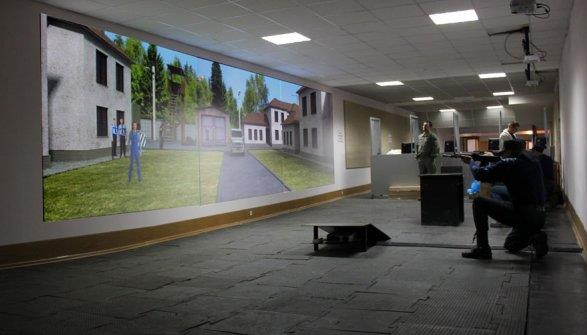
A laser shooting range is an electronic training system: a shot is imitated with a laser, the result is recorded on a computer, and cadets practice shooting in a classroom without live ammunition. The client’s range worked, but two things held it back. The trigger sensor was mechanical, so the bolt had to be re-cocked after every shot, and the instructor could follow the aiming only through a mirror bolted onto the rifle. We were given two tasks. The first was to make the trigger signal electronic and wireless. The second was to add a camera to the sighting mechanism, so that the instructor can watch the aiming remotely on a computer screen.
We started with the idea and design documentation, then designed the circuits, printed circuit boards and 3D models of the housings. Prototypes were manufactured, assembled, tested and debugged, then refined into a pre-series sample. Two devices came out of this work: a compact electronic unit at the trigger that sends a wireless signal to a receiver built into the existing laser sensor, and a small video camera with software that streams the aiming view to a computer or a smartphone.
A series of devices was developed and delivered to the client. The shooter just pulls the trigger, with no re-cocking after every shot, and the instructor follows the aiming on a screen instead of standing next to the cadet. The range now works the way a real shooting exercise feels, and it is still a safe classroom training with no ammunition spent.
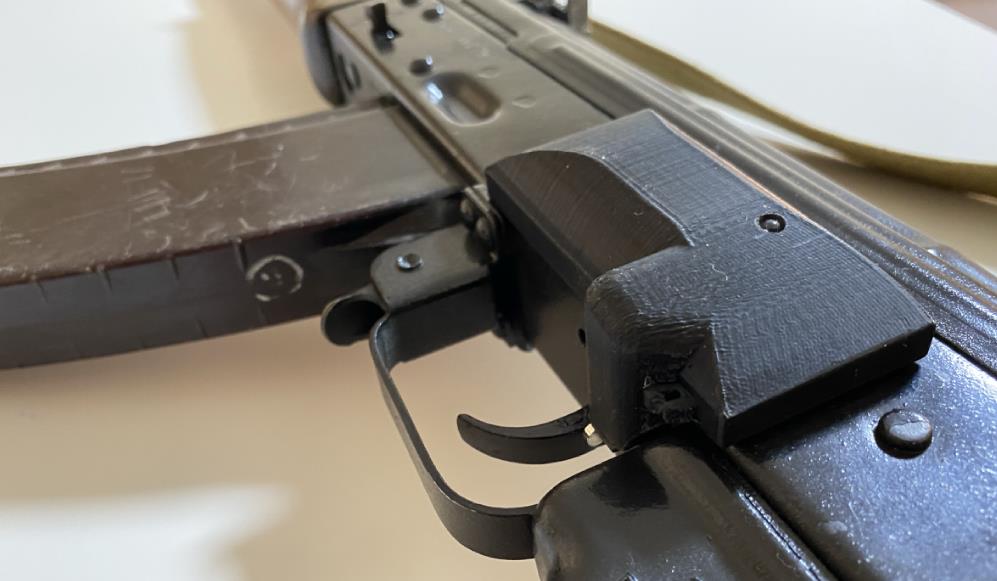
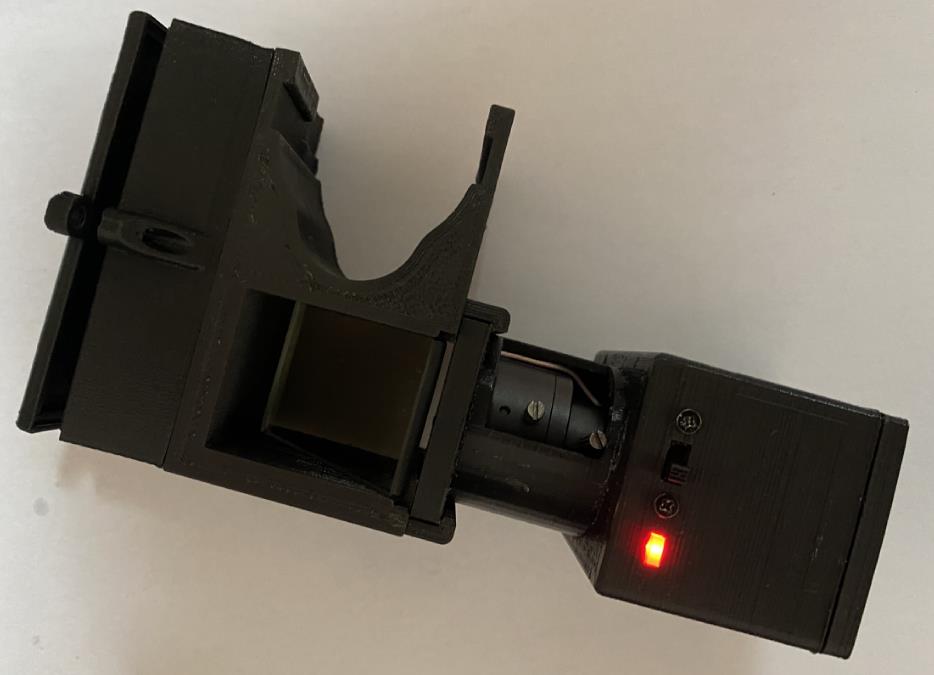
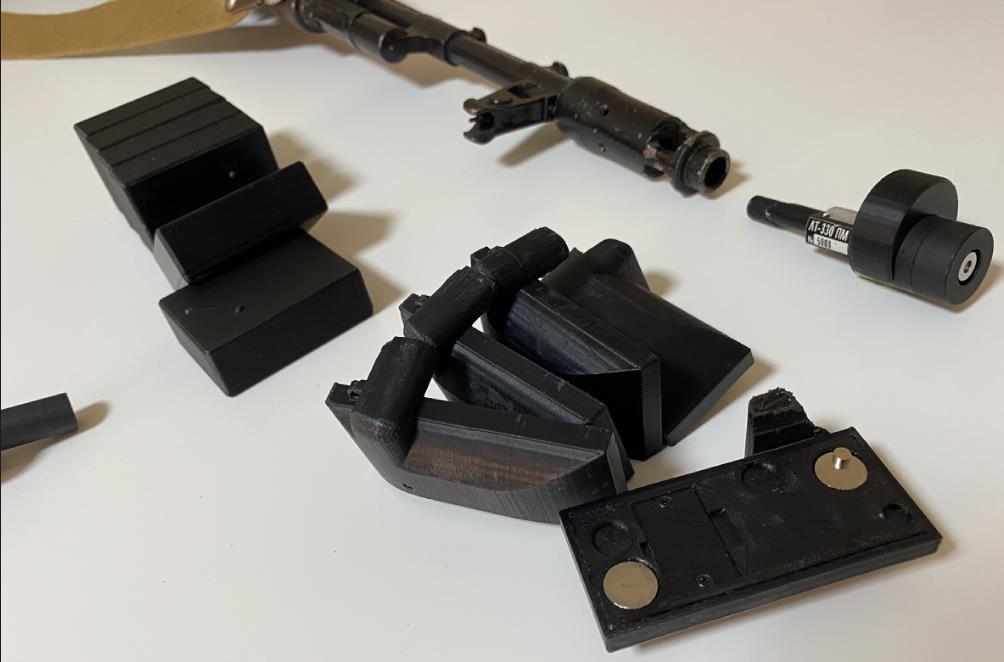
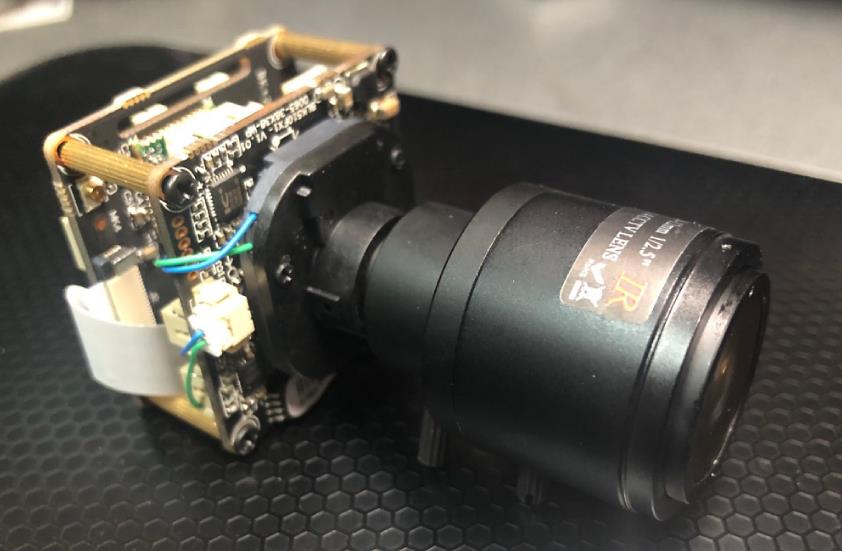
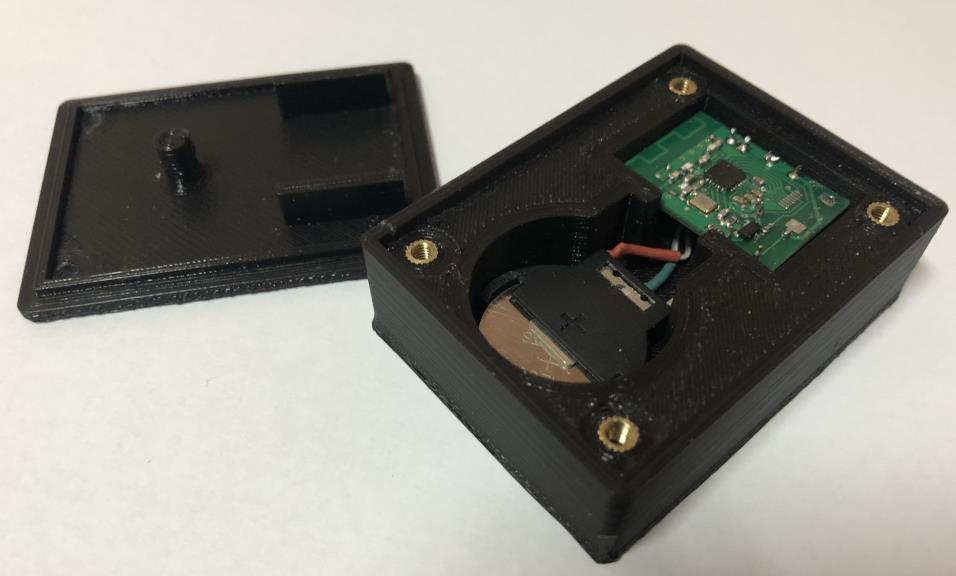
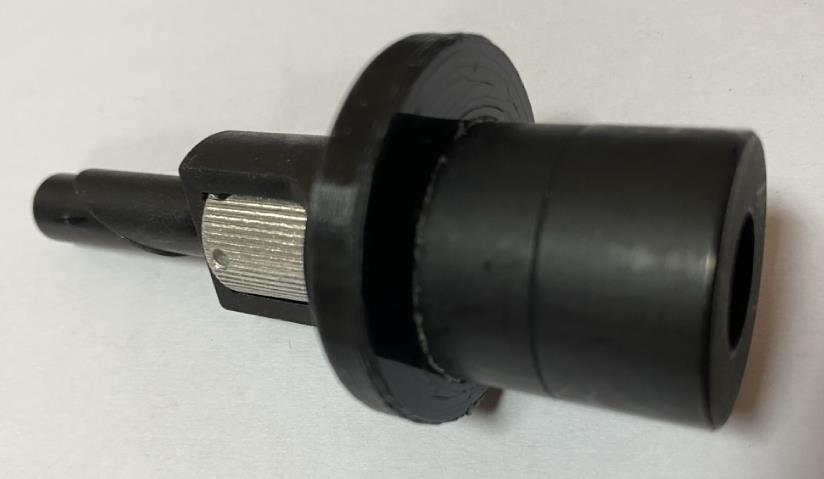
1. Idea and design documentation. 2. Circuit diagrams, printed circuit boards and 3D models of the housings. 3. Manufacturing of the boards and housings. 4. Assembly, testing and debugging of the prototypes. 5. Refinement and optimization, then a pre-series sample. 6. Development and delivery of a series of devices.
The range is an electronic shooting system for practicing shooting skills in a room or classroom. A shot is imitated electronically: a laser sensor on the barrel projects a laser dot onto the screen, and the result is recorded on a computer.
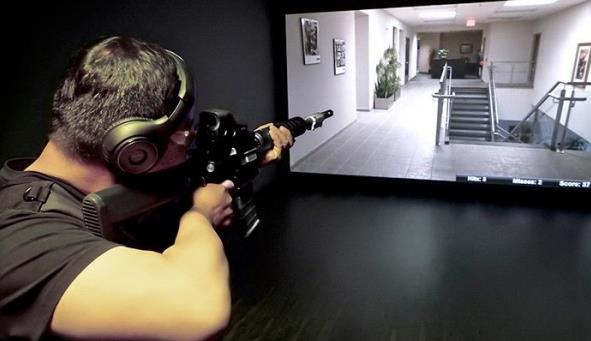
The laser sensor on the barrel worked mechanically: the click of the bolt sent a vibration that fired the laser. So the bolt had to be re-cocked after every single shot. This is inconvenient, interrupts the exercise and looks primitive.
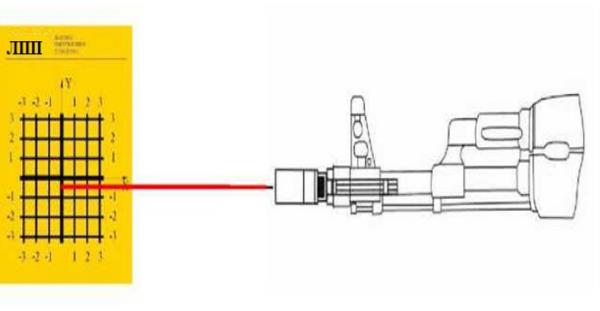
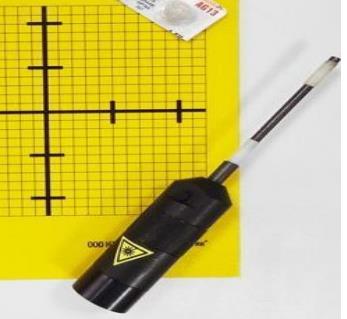
To check how a cadet aims, a mirror at a 45-degree angle was fixed on top of the sight bar of the rifle layout. To see the aiming, the instructor had to stand right next to the student.
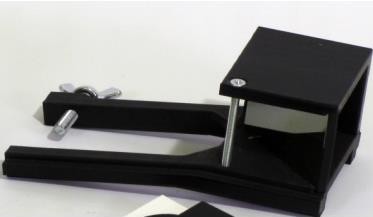
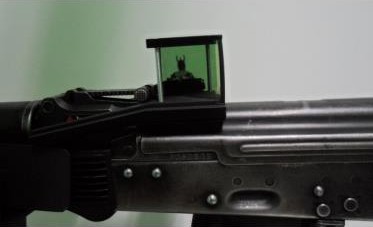
We made a small electronic unit near the trigger that detects the trigger press and sends a signal. A receiver for this signal was developed and integrated into the existing laser sensor. Now a shot is registered by pressing the trigger itself, with no re-cocking and no wires.
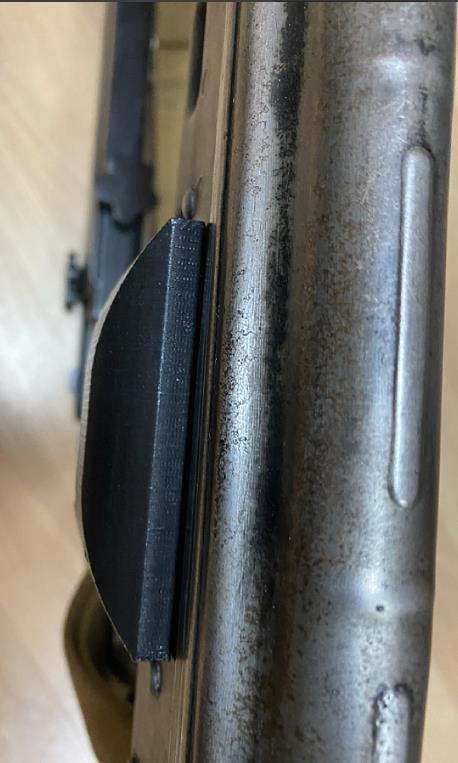
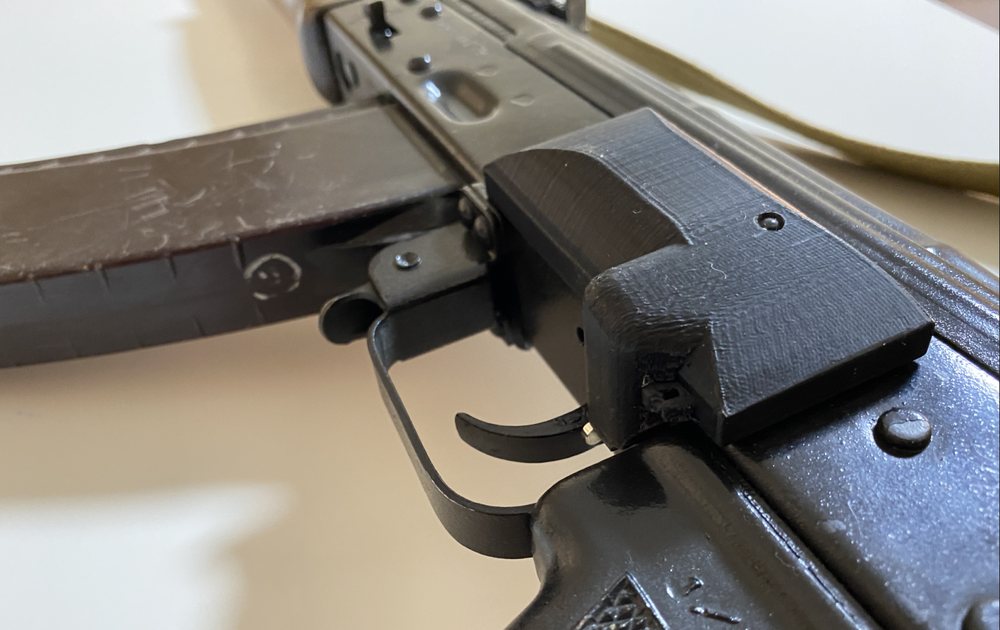
Circuit diagrams, printed circuit boards and 3D models of the device housings were designed from scratch. The housings were modeled in 3D, printed and tested on the weapon layout as prototypes.
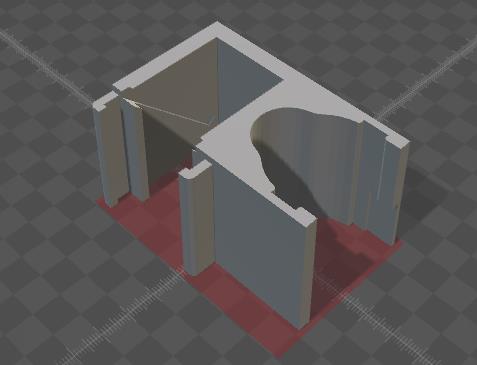
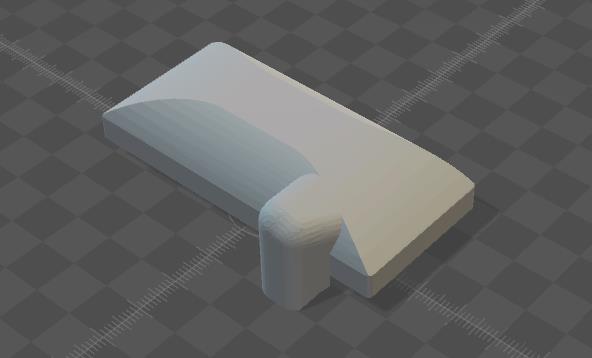
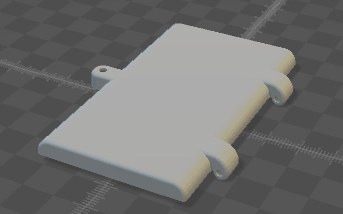
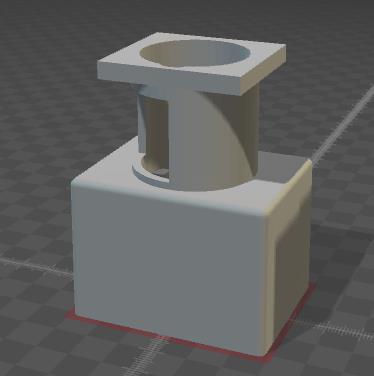
Instead of the mirror we developed a video surveillance system: a new housing, a selected video camera and software that transmits the video to a computer monitor or a smartphone. The instructor now watches the aiming remotely and does not have to stand next to the cadet.
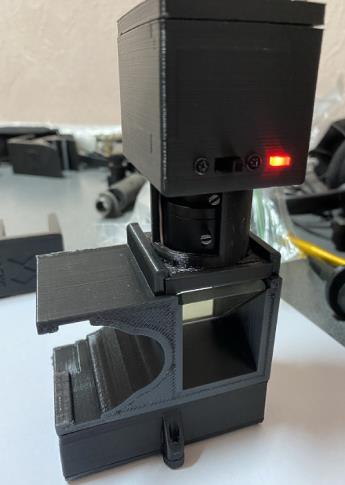
The prototypes were assembled, tested and debugged, then refined and optimized, and a pre-series sample was released. After that a series of devices was produced and delivered to the client.
We have received your request and will contact you shortly.