
Virtual reality.
Development of anything in virtual reality. Planning and design. 3D modeling, rigging and animation. Programming, testing, implementation. Integration with third-party services or hardware.
Software and hardware solutions for business and entertainment using cutting-edge technologies.
Development of anything in virtual reality. Planning and design. 3D modeling, rigging and animation. Programming, testing, implementation. Integration with third-party services or hardware.
AR and MR for guided work, data visualization, and the gamification of any scenarios and ideas.
Mobile, PC and VR games of different genres. Action. Shooters. RPG. Strategy. Simulators. MOBA. Hyper‑Casual. Match‑3.
Applications, simulators and control systems written to your requirements. We use artificial intelligence to automate and speed up processes.
Controllers, sensors and mechanics that work together with the software in one system. Embedded systems, electronics, printed circuit boards and firmware.
Describe the task in your own words. We will propose the format.
Tell us the taskThe studio owner is deeply involved in the project work, so quality and deadlines are met.
Describe the task in your own words. We will propose the format.
Virtual reality lets armed forces train soldiers and crews in realistic scenarios without ammunition, fuel or risk. We look at where VR already pays off in military training and what to consider before the first project.
Read more →AI assistants take over routine code, concept art, placeholder assets and testing, so a first playable version appears sooner and the team spends its time on what makes the product unique. Here is where AI really speeds up Unity development and where an engineer still has to make the call.
Read more →One codebase for VR headsets, mobile devices and desktop, a huge asset ecosystem and fast iteration. We explain when Unity is the right engine for a simulator and when it is not.
Read more →Feel free to read along or jump to the section that interests you:
Let’s get started.
Immersive technology gives a business a new way to train people, show products and test ideas before spending real money. A good project starts with the task and the result you need, not with the technology.
A simulator recreates a real situation inside a computer, so people can practice it as many times as needed without risk. The same approach works for equipment, vehicles, safety procedures and sales demonstrations.
Before development starts, we agree on the goal, the audience, the platform and the budget range. Then the team builds a first working version quickly, so you can see the result and adjust it early.
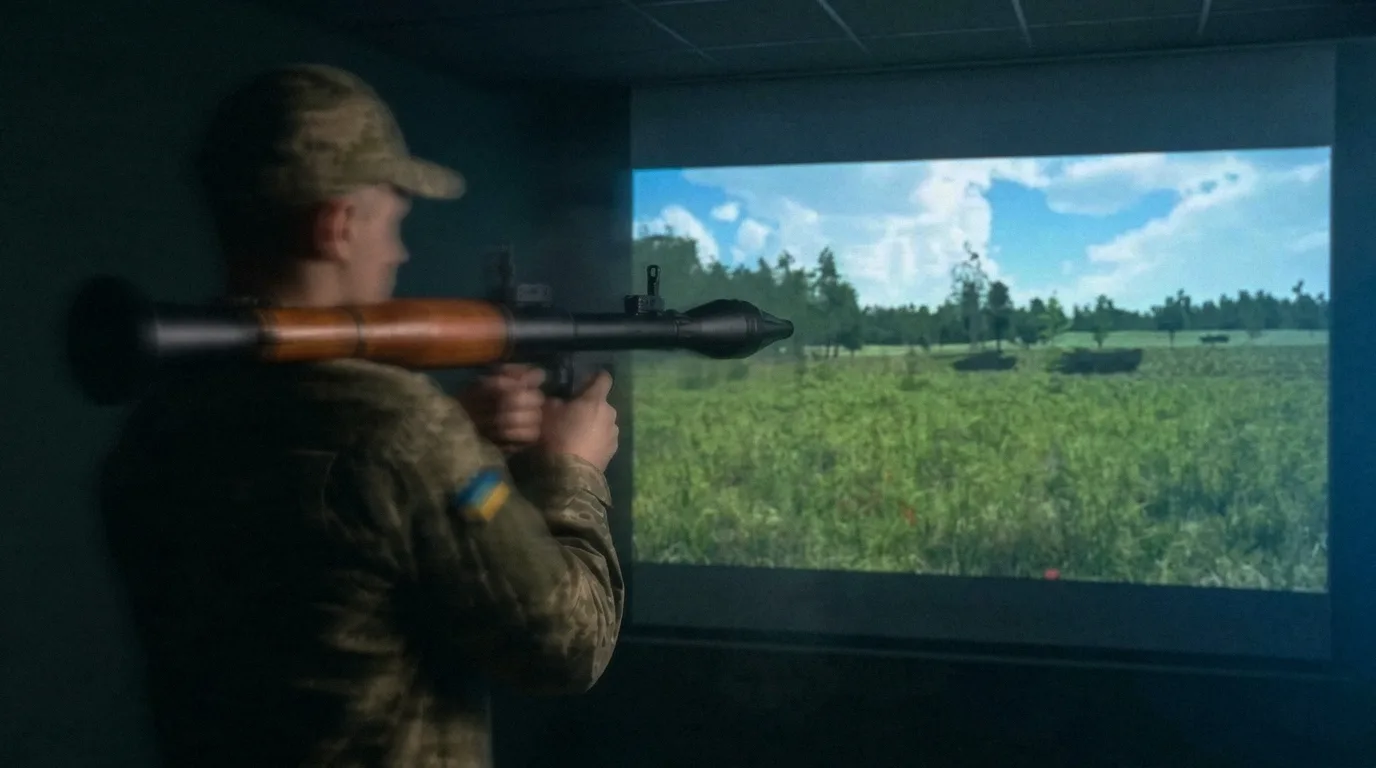
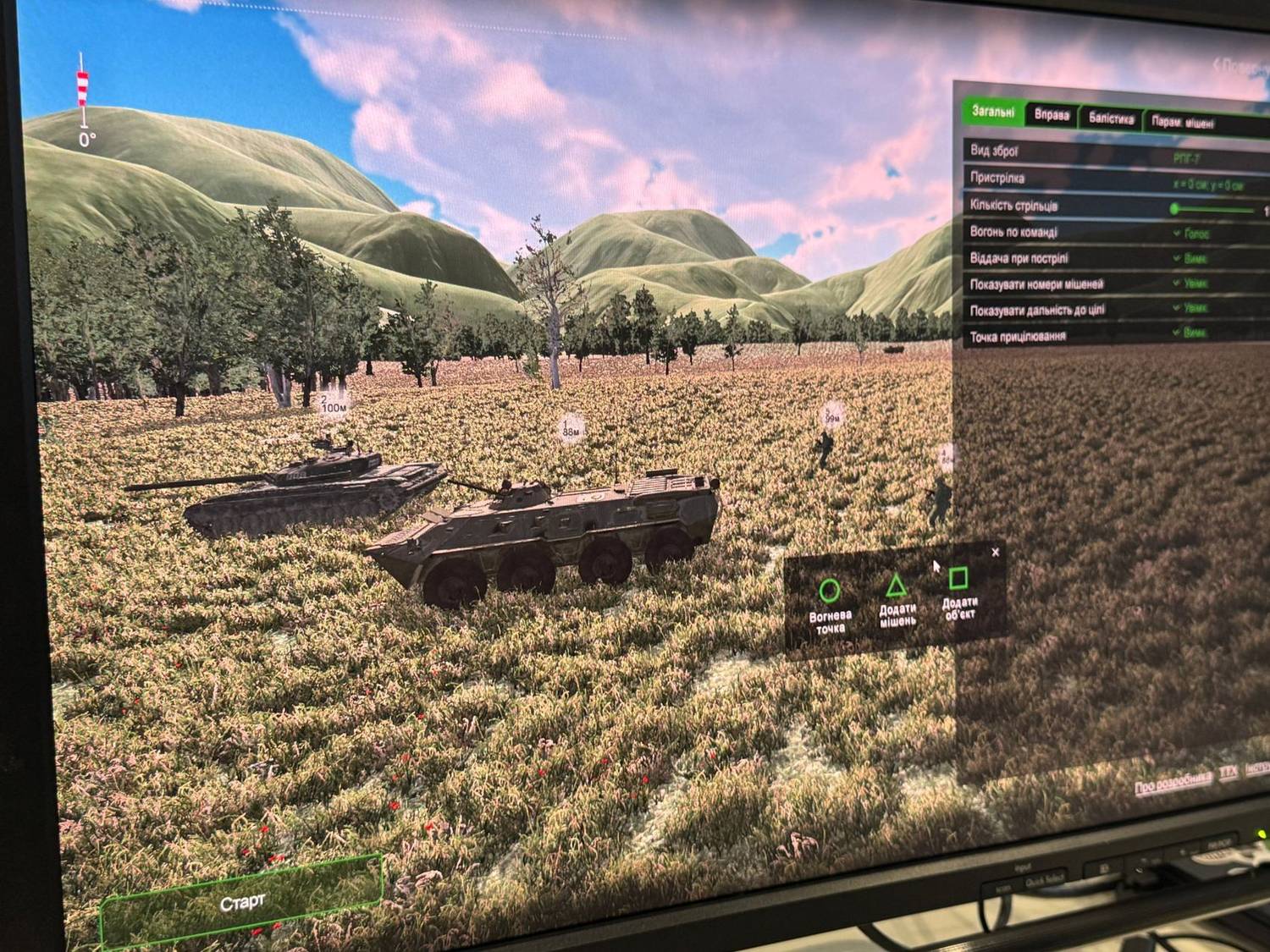
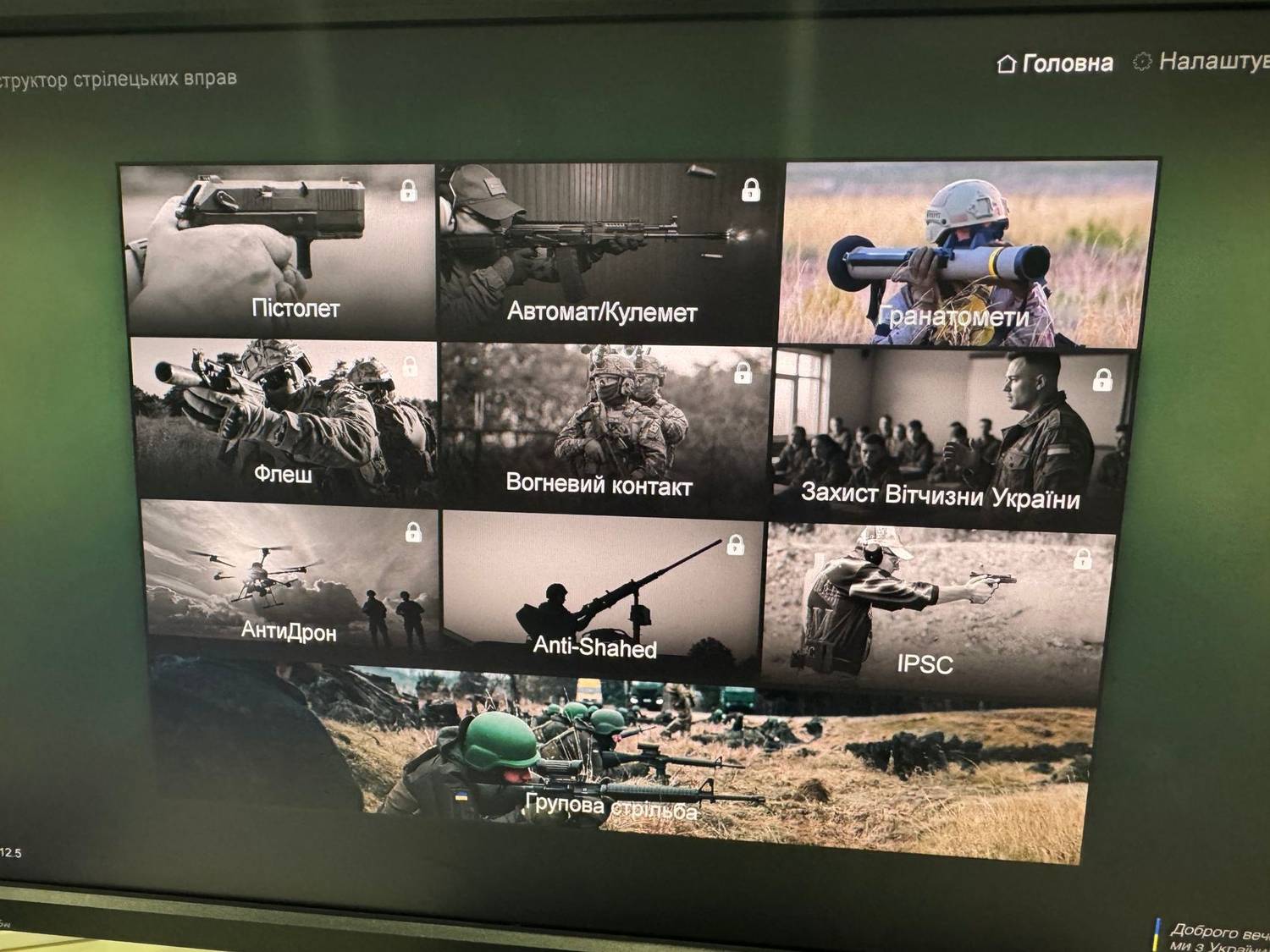
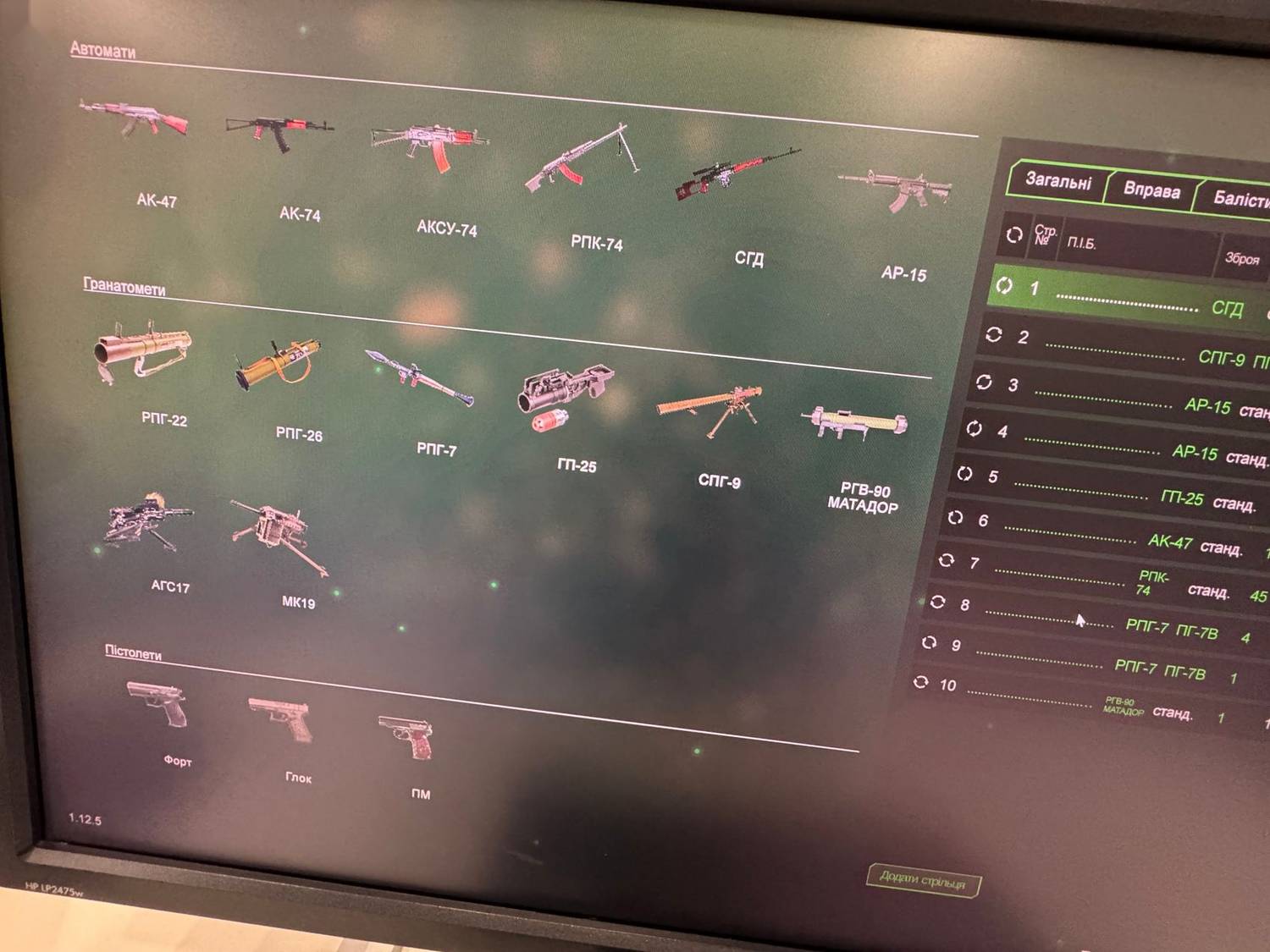
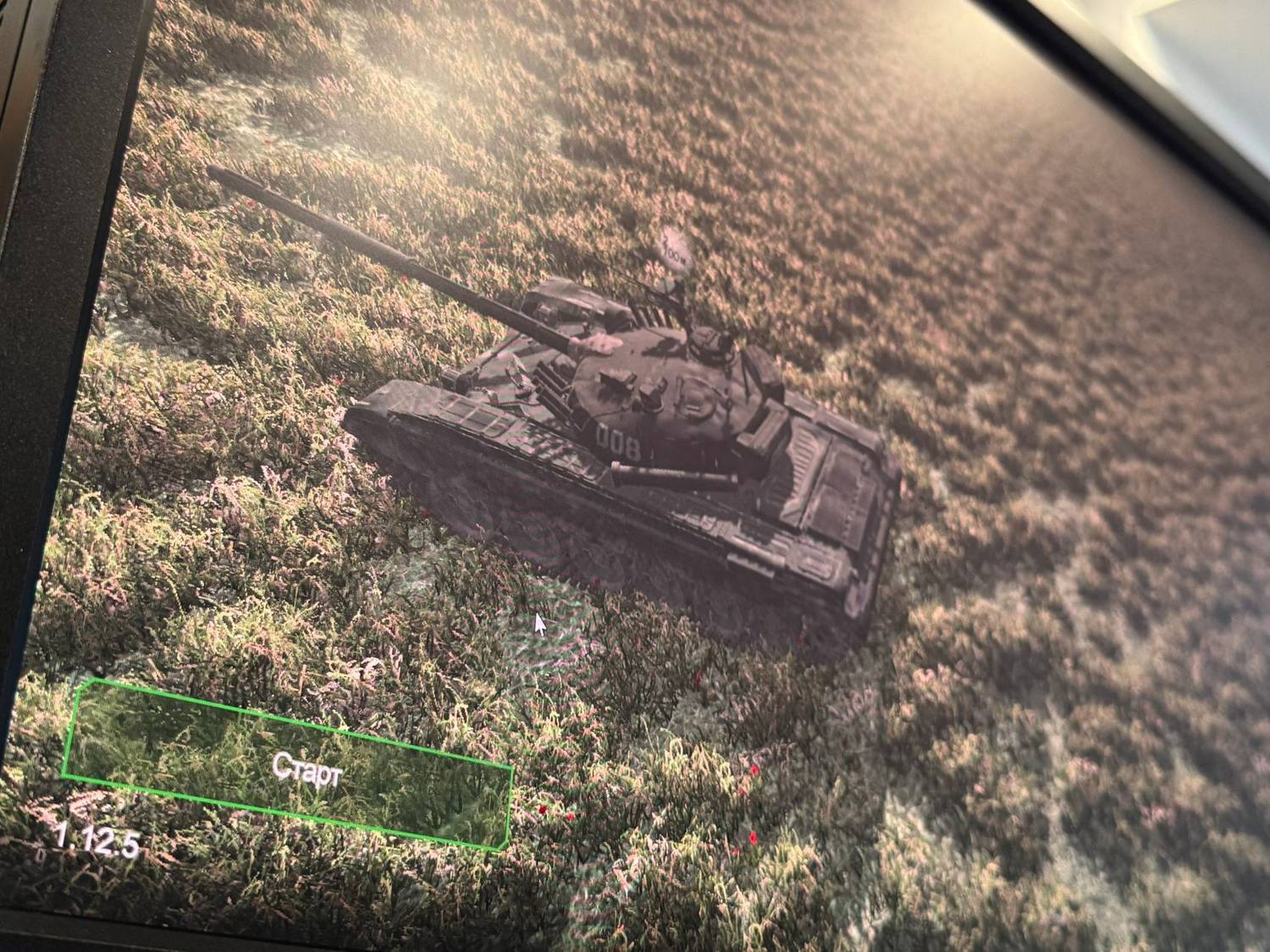
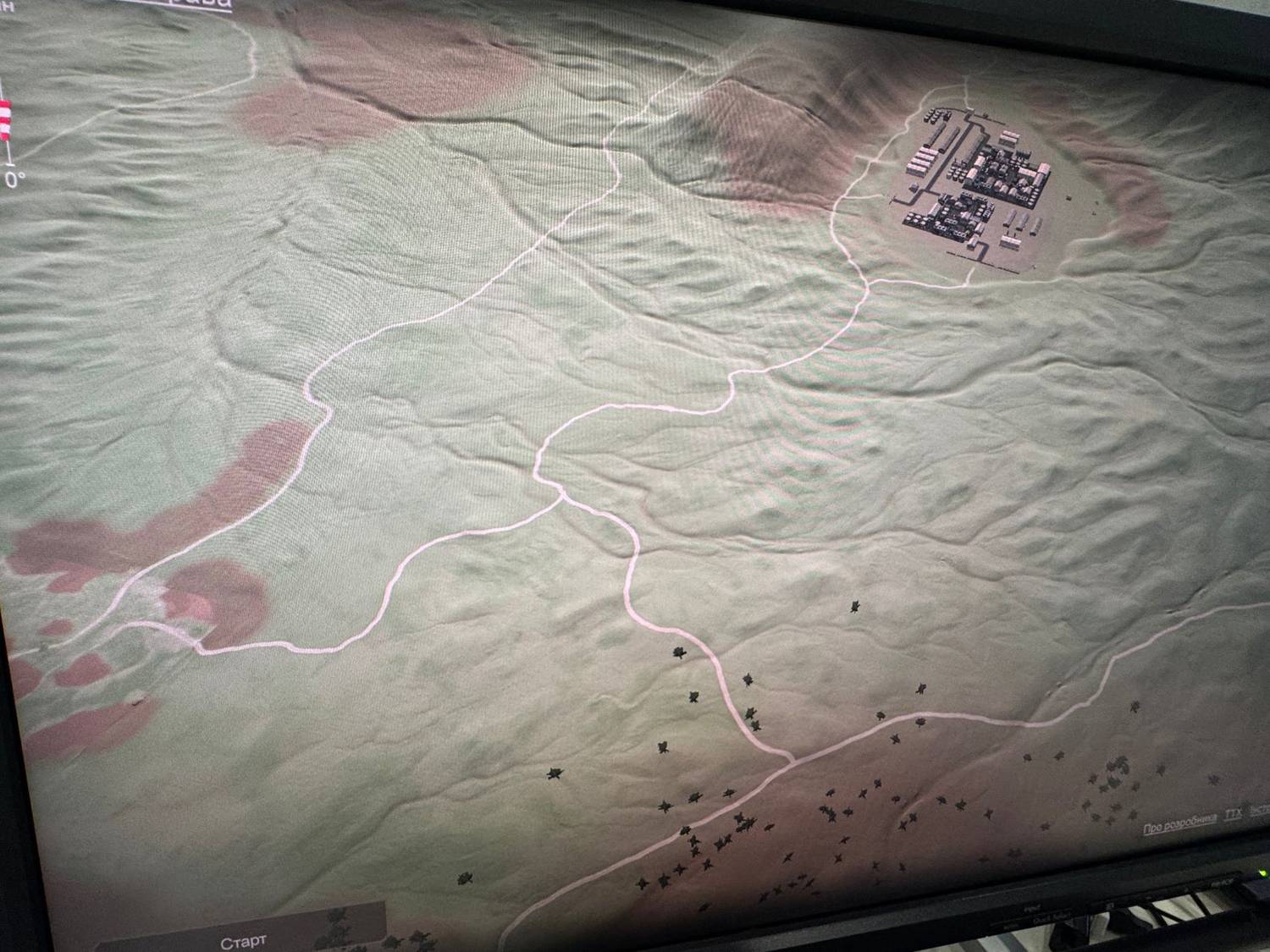
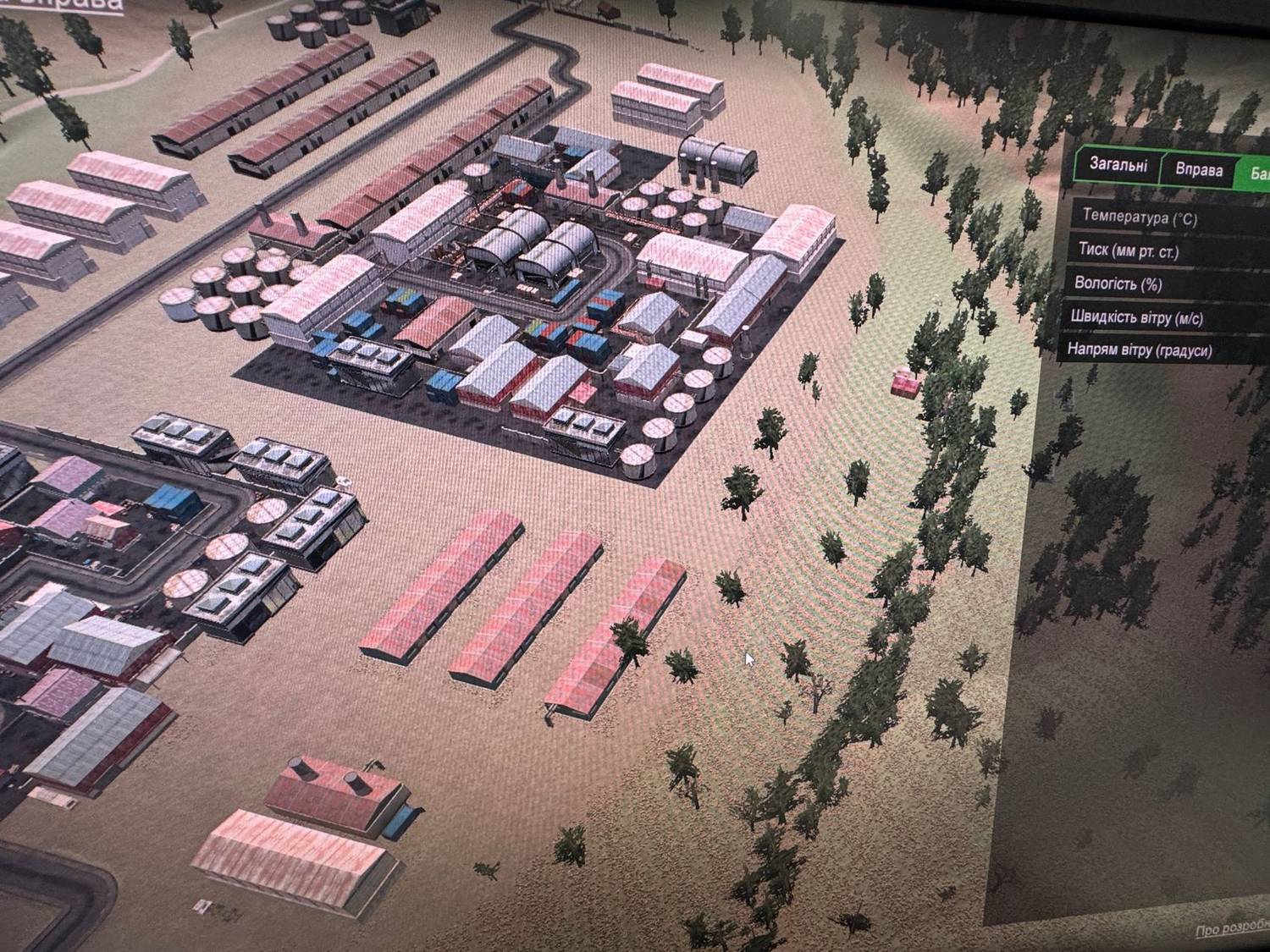
The studio’s developers and designers were tasked with carrying out the engineering and design work and developing the software on Unity 3D, modeling terrain with different locations, integrating targets (armored vehicles and infantry) and implementing functionality for different shooting scenarios with different weapons: grenade launchers, assault rifles and pistols. A laser shooting range is a hardware and software system that allows military personnel to practice shooting in a classroom.
The work began with the technical specifications: the requirements for the functionality of the range were described by the studio’s managers in collaboration with the client. The development team then built the software on Unity 3D: terrain was modeled, armored-vehicle and infantry targets were integrated, and the interface and mechanics of various exercise scenarios for firing grenade launchers, assault rifles and pistols were implemented. The challenge was the implementation of ballistics. It was incorporated into the shooting logic for different types of weapons, so that training reflects real shooting.
The laser shooting range has been introduced into the cadets’ training process. The hardware-and-software system helps improve the effectiveness of military training, reduce the risk of injury and save ammunition.
We have received your request and will contact you shortly.