

Virtual reality.
Development of anything in virtual reality. Planning and design. 3D modeling, rigging and animation. Programming, testing, implementation. Integration with third-party services or hardware.
Software and hardware solutions for business and entertainment using cutting-edge technologies.
Development of anything in virtual reality. Planning and design. 3D modeling, rigging and animation. Programming, testing, implementation. Integration with third-party services or hardware.
AR and MR for guided work, data visualization, and the gamification of any scenarios and ideas.
Mobile, PC and VR games of different genres. Action. Shooters. RPG. Strategy. Simulators. MOBA. Hyper‑Casual. Match‑3.
Applications, simulators and control systems written to your requirements. We use artificial intelligence to automate and speed up processes.
Controllers, sensors and mechanics that work together with the software in one system. Embedded systems, electronics, printed circuit boards and firmware.
Describe the task in your own words. We will propose the format.
Tell us the taskThe studio owner is deeply involved in the project work, so quality and deadlines are met.
Describe the task in your own words. We will propose the format.
Virtual reality lets armed forces train soldiers and crews in realistic scenarios without ammunition, fuel or risk. We look at where VR already pays off in military training and what to consider before the first project.
Read more →AI assistants take over routine code, concept art, placeholder assets and testing, so a first playable version appears sooner and the team spends its time on what makes the product unique. Here is where AI really speeds up Unity development and where an engineer still has to make the call.
Read more →One codebase for VR headsets, mobile devices and desktop, a huge asset ecosystem and fast iteration. We explain when Unity is the right engine for a simulator and when it is not.
Read more →Feel free to read along or jump to the section that interests you:
Let’s get started.
Immersive technology gives a business a new way to train people, show products and test ideas before spending real money. A good project starts with the task and the result you need, not with the technology.
A simulator recreates a real situation inside a computer, so people can practice it as many times as needed without risk. The same approach works for equipment, vehicles, safety procedures and sales demonstrations.
Before development starts, we agree on the goal, the audience, the platform and the budget range. Then the team builds a first working version quickly, so you can see the result and adjust it early.
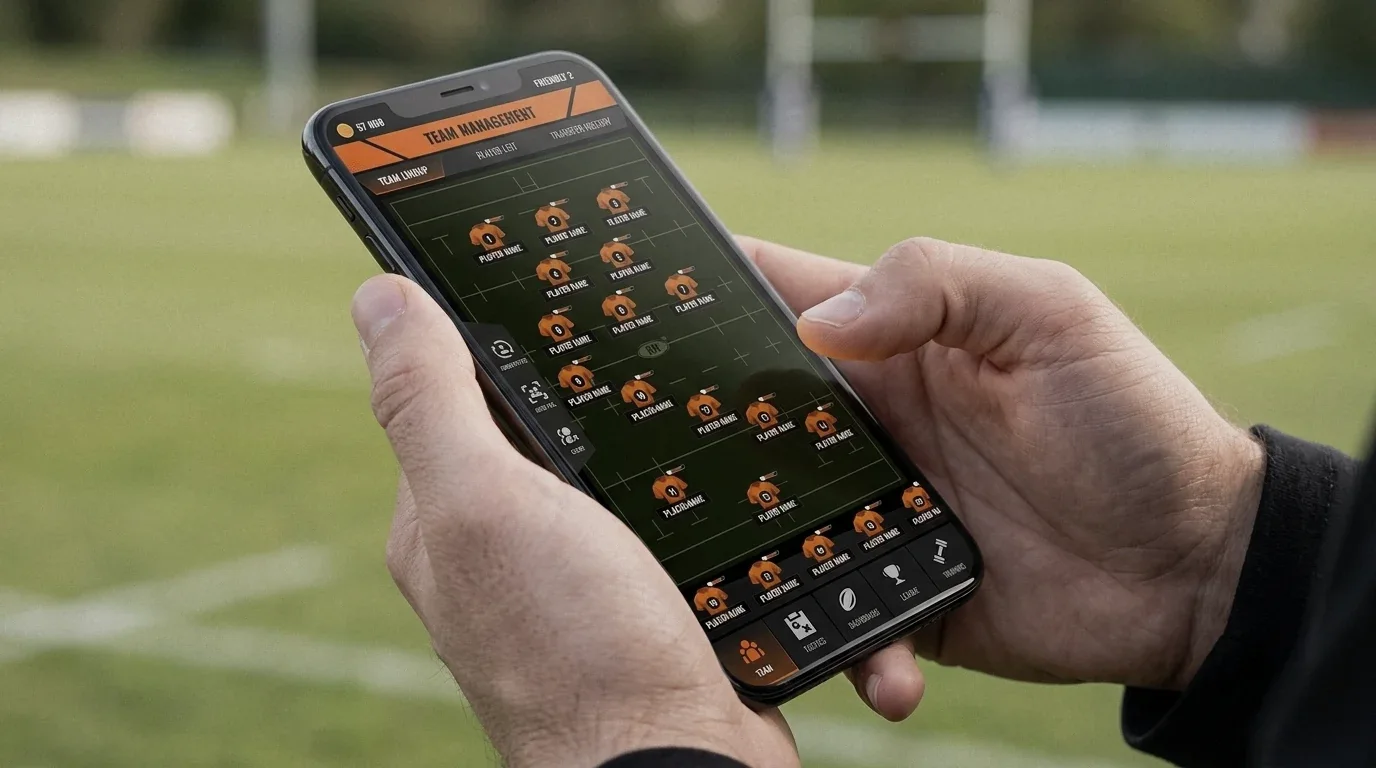
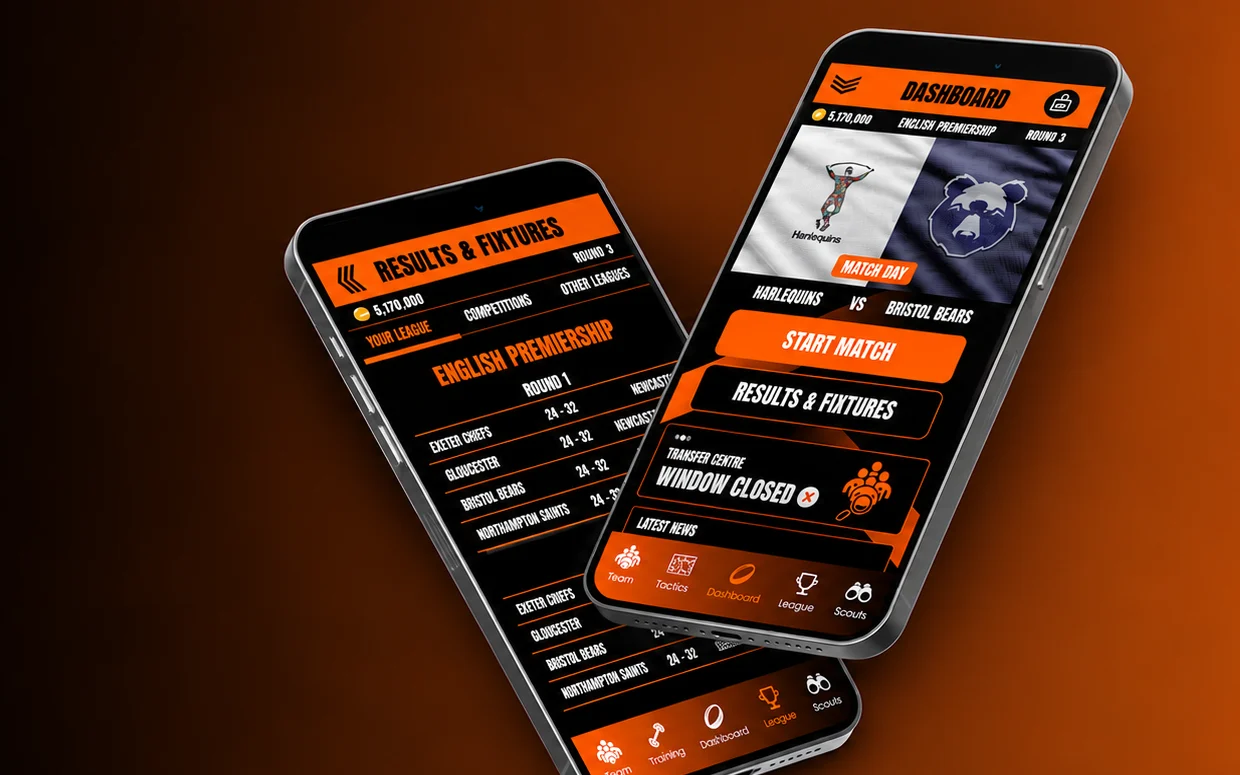
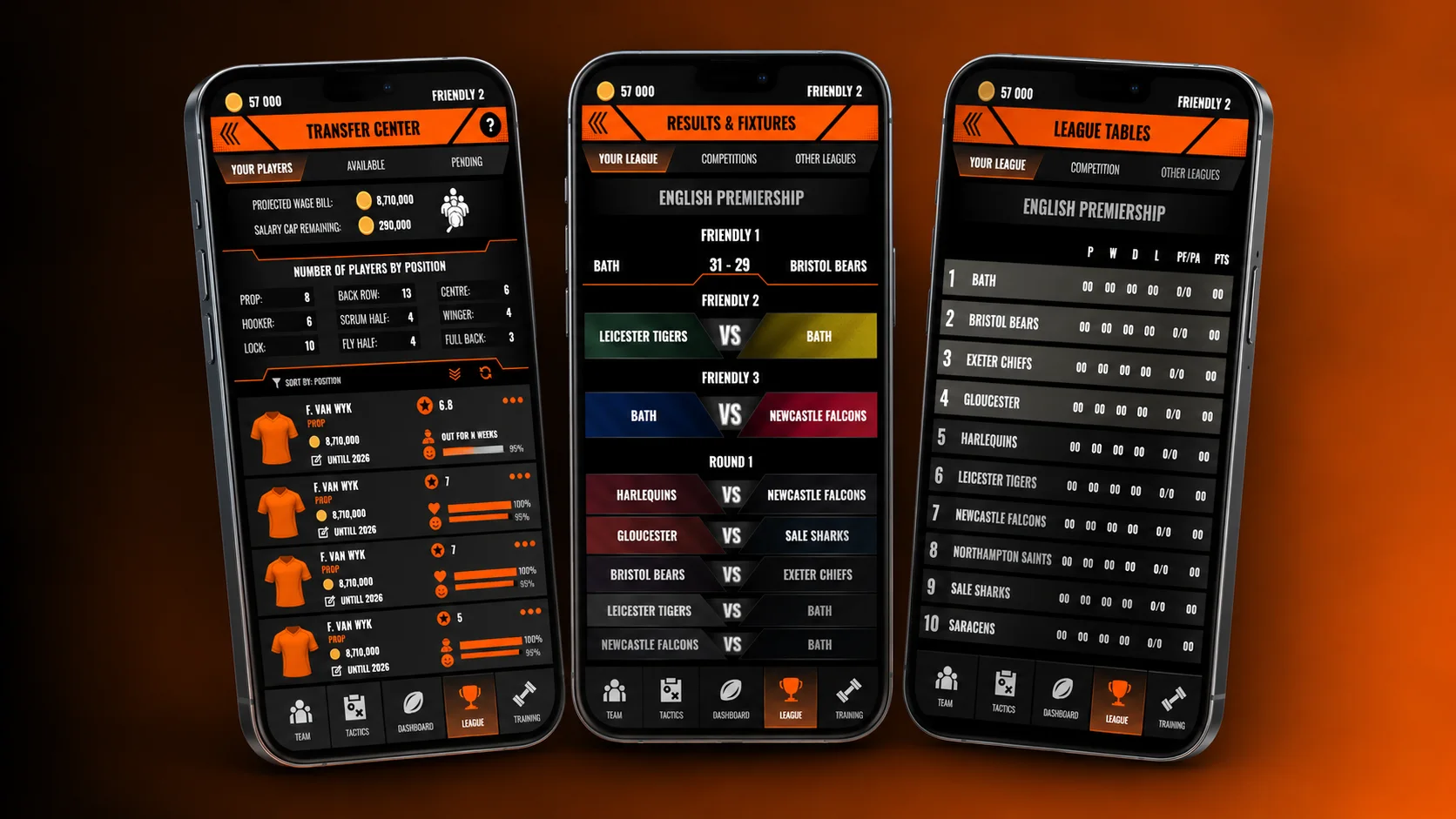
The studio’s developers and designers were tasked with creating a mobile game for iOS and Android: a sports simulation and rugby manager. In the game, users build their own teams, plan match strategies, follow the progress of their own and other teams, make substitutions and level up individual players.
The game was built on Unity 3D, one of the leading technologies for mobile simulation games. During the design stage, the development team worked closely with the client to create user stories and form the product backlog. Development, testing and refinement followed.
A mobile app for iOS and Android: a rugby manager game that brings together an active community of fans of this exciting sport.
We have received your request and will contact you shortly.